The Welcome
“We only know two songs in English. One by Ronan Keating. The other by Wham.”
Choosing Wham resulted in a karaoke session of ‘Last Christmas’, in March. This did not matter. The Vietnamese love karaoke and will use it to welcome you to their home.
North or south, urban or rural, many Vietnamese families own their own karaoke box. This is not a small stereo: it is an enormous box, large enough to eat a five-year-old child for breakfast and still have space for a weasel coffee. Visitors are encouraged to participate.
This is emblematic of how the Vietnamese are amongst the friendliest and most welcoming people around. A night in a Vietnamese homestay invariably means dining with, drinking alongside and eventually sharing a microphone with the extended family.
Alongside karaoke, Vietnamese hospitality also includes shots of home-brewed rice wine (‘happy water’) offered at regular intervals, accompanied by the lengthy, four syllable “Mot, Hai, Ba, YO!” toast. Drinkers may wish to check they are not indulging in a crow-based beverage before knocking back their libation.
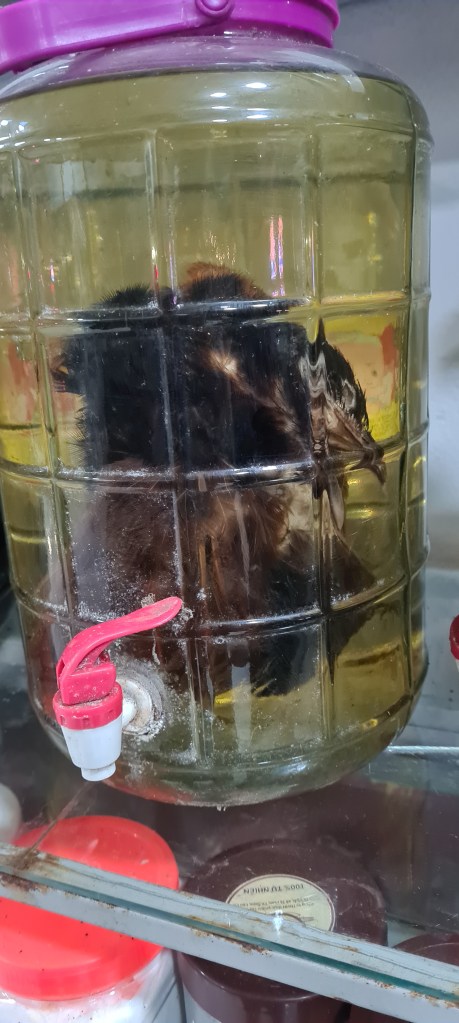
The following morning there is likely to be a range of coffees to choose from. Coconut coffee, condensed milk coffee, butter coffee, orange coffee, egg coffee (highly recommended), salted coffee or the aforementioned weasel coffee, with beans that have passed through a civet’s digestive system, are just some of the varieties found in a Vietnamese café. Even hardened coffee drinkers should take heed if a Vietnamese person warns that their coffee is strong. You may well still be buzzing ten hours later.
The Places
Where to go? One of the most visually stunning places is the far north of the country. In particular, the Ha Giang Loop is an area of countryside that is popular with tourists for motorcycle trips. Depending on the route chosen, the loop is approximately 400km long and takes three or four days to complete. The roads are mostly excellent, but occasionally descend into a quagmire more akin to Motorcross than a ride on a highway. Riders traverse sweeping mountain roads, pass through tree-clad valleys, cruise sedately through tiny rice-farming villages and travel close enough to China to see Chinese hills across the border.

Ha Long Bay is a second picture-perfect location in northern Vietnam. Hundreds of limestone karsts rise out of the sea like skyscrapers in a marine metropolis. You can canoe through caves to hidden lagoons or brave the climb to the top of the cliffs to drink in the stunning vista from an elevated vantage point. A plethora of cruise operators offers overnight sight-seeing boat tips around the bay, and nearby Cat Ba Island offers affordable hotels, plus a Vietnam War-era cave complex converted into a hospital that remains intact as a museum nowadays.
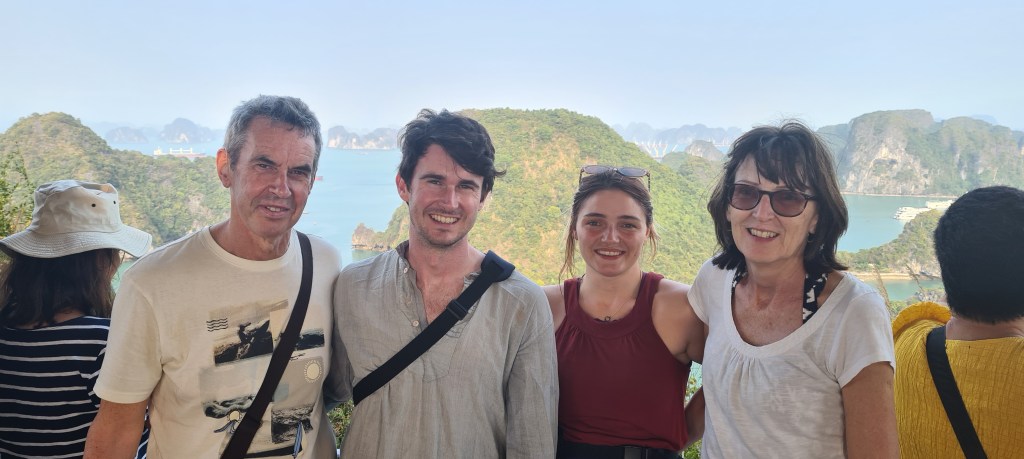

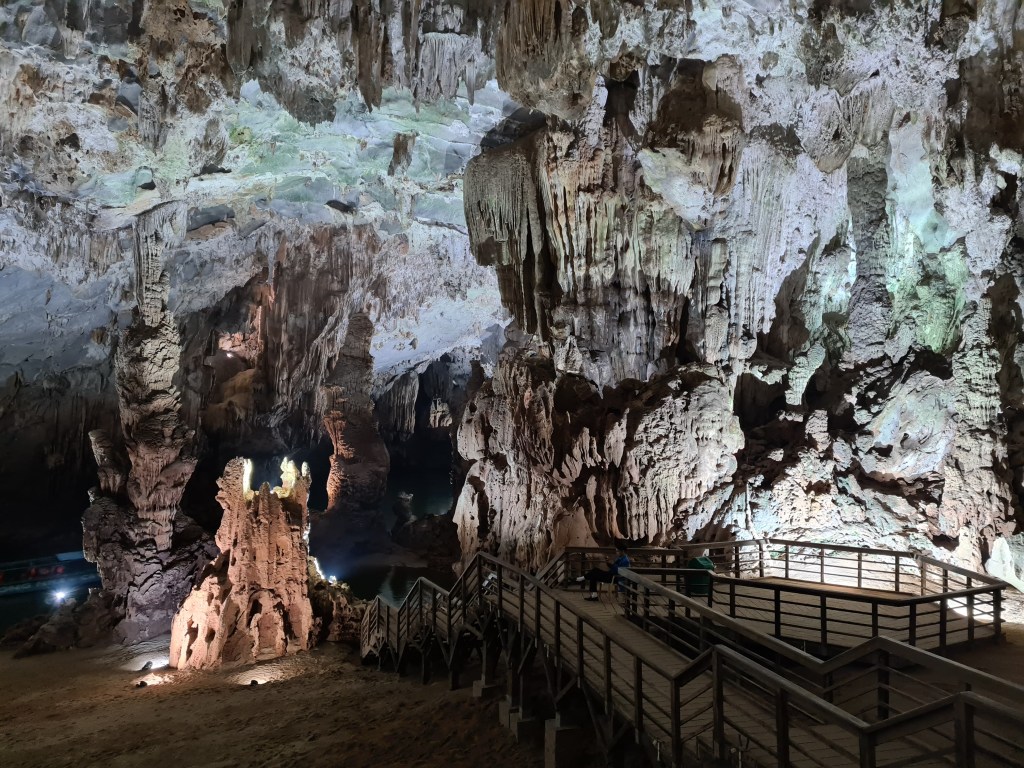
Sapa is another northern destination, perfect for hiking through picturesque rice paddies. Midway down the country is Hoi An, a charming town that grew up around maritime trade and now famed both for its tailoring and for its lanterns that light the harbour by night. Nestled in the countryside north of Hoi An are Ninh Binh, pictured above, and Phong Nha National Park. Phong Nha is home to gargantuan caves, with roofs that rise towards the heavens like enormous, stalactite-encrusted subterranean cathedrals. The world’s largest cave is located in Phong Nha.

Hanoi, Vietnam’s capital, has one of the most walkable city centres in South-East Asia, and is an excellent place to learn more about Ho Chi Minh, the former Vietnamese Communist leader who today holds cult-like status and is venerated to the extent to which the country has renamed its largest city, formerly Saigon, after him.
Speaking of the city formerly known as Saigon, the Ho Chi Minh City of the twenty-first century is a sprawling metropolis where mopeds rule the roads and street food is the order of the day. Memories of the Vietnam War are never too far away. One café doubles as a museum of the safehouse that it used to function as. Vietnamese fighters hid out here during the conflict; the café has multiple secret passageways and hidey holes which are fascinating to explore after a coffee or breakfast.

The History
Ho Chi Minh City houses what was previously known as ‘The Museum of American War Crimes’. Although the name has been softened, the exhibits are no less hard-hitting. An excerpt from the American constitution, detailing the “inalienable rights of man” in large font, juxtaposed with a photo of one American soldier torturing a Vietnamese man, is powerful, and so is an exhibit that describes the war crimes of another American soldier. The exhibit withholds its punchline until the final sentence: that soldier went on to become a US senator. A huge gallery of portraits of the second, third and fourth generations of people continuing to be born with birth defects due to the persistent effects of Agent Orange is heart-breaking. The US military sprayed over 11 million gallons across the country. If there is ever a place to experience an alternative narrative to that which we hear in the West, this is the place.

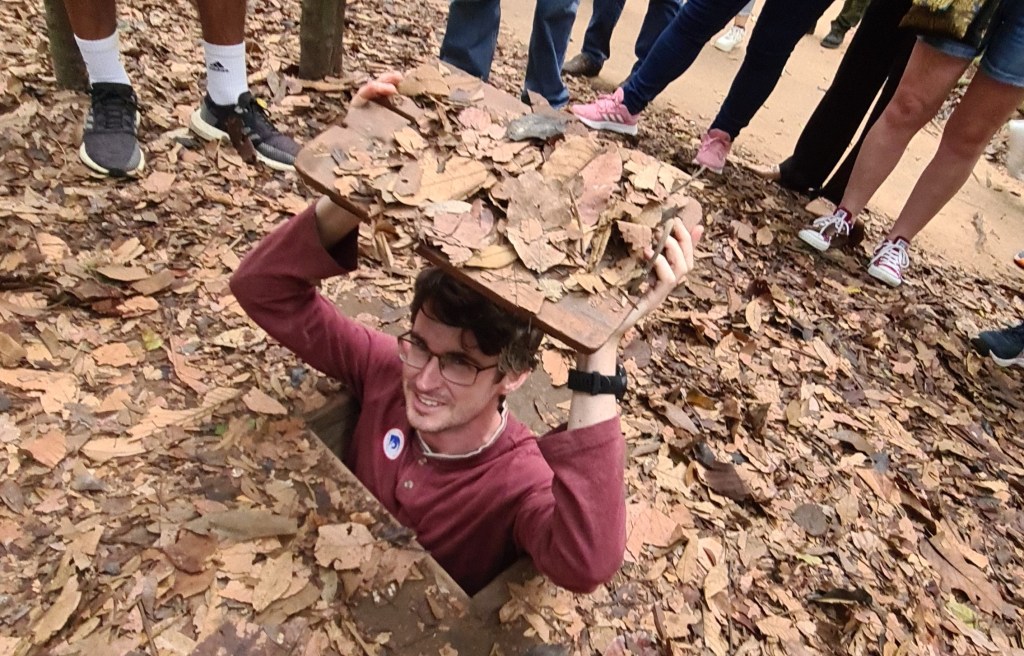
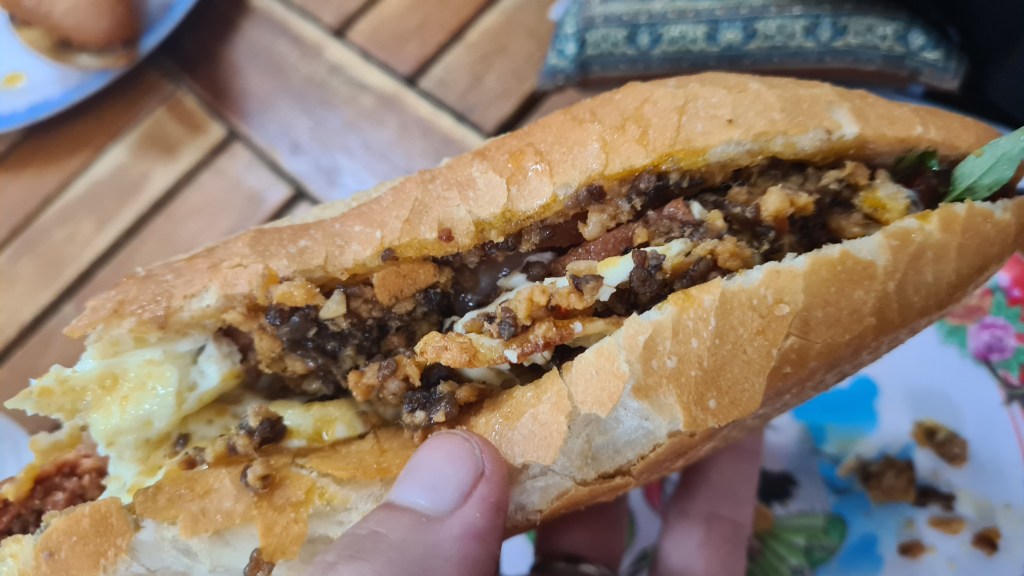
The Americans are not the only foreign power that the Vietnamese fought in the twentieth century. After WWII, fresh from experiencing occupation themselves, the French promptly attempted to reoccupy their ‘Indochina’ colony. The Vietnamese, led by Ho Chi Minh, fought back, and in 1954 gained their independence. The French influence is still visible in the country today. In particular, Vietnam has the best bread in South-East Asia, and a popular snack is ‘Banh Mi’, a perfectly crusty French-style baguette sandwich with a variety of delicious fillings.
The People
The role of women is striking in Vietnam. Unlike some other countries in Asia, where women are rarely visible outside of the home, and certainly not without male escort, women in Vietnam appear everywhere, independent and, often, in charge. Many of the hotels and restaurants are owned and ran by women. Tour groups are guided by women and goods are sold in shops by women. Women labour alongside men in the paddy fields. The only occupation that a tourist encounters that is an exclusively male preserve is taxi driving. Hanoi boasts the Vietnamese Women’s Museum, whose exhibits range from Vietnamese women’s art to female soldiers (variously ascribed the title ‘hero’, ‘comrade’ or ‘martyr’) who fought the French and Americans.
There are dozens of different peoples in Vietnam; the Vietnamese government recognises 54 different ethnic groups. A visitor to Sapa is likely to encounter the indigenous Hmong people, as many work as guides for tourists wishing to hike the trails. The Hmong are recognisable by their distinctive, beautifully handcrafted clothes which can take months to create, and by their wide smiles. Their knowledge of the local area is unparalleled.
The conclusion
Vietnam is striking for many reasons: lush tropical vegetation, soaring limestone karsts and rice paddies cover the landscape, the food and drink is delicious and the people welcome you into their homes. One homestay owner explained, over dinner with his family,
“The French? We like them. The Americans? We like them. Vietnamese like everyone.”
A society that can bounce back from the destruction of war, rebuild its infrastructure and economy to become a regional leader, and rebuild psychologically to reconcile with former enemies is surely worth visiting. And for a country whose capital was cruelly carpet bombed by American B-52s one Christmas in the early 1970s to happily serve B-52 cocktails now…they must have a sense of humour too.
 Somewhere Must Be Doing It Better
Leave a comment