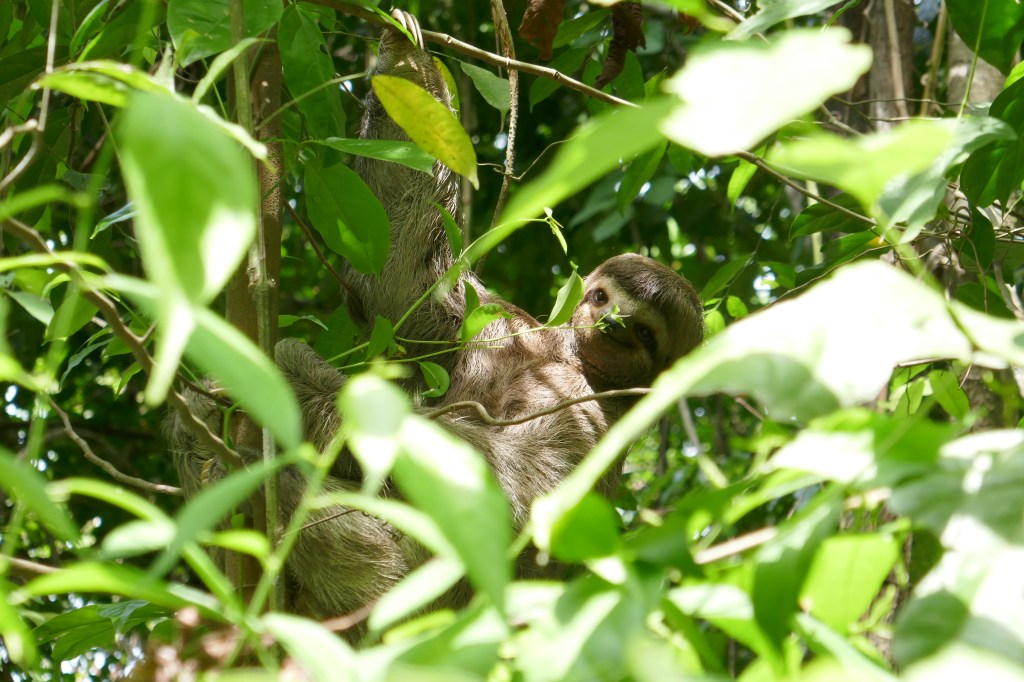
Every country has an army, right? Incorrect. Most countries have an army, but there are a few notable exceptions.
Costa Rica is a rare example of a country that is neither a microstate nor an island but has nevertheless completely dispensed with its armed forces. It became one of the first countries in the world to do this when it enacted its 1949 Constitution. Article 12 states:
The Army as a permanent institution is abolished.
It has invested the money saved, and other funds, in public services and environmental protections. The United Nations Environment Programme describes Costa Rica as a ‘living Eden’ and comments that:
Costa Rica’s environmental credentials are impressive: more than 98 per cent of its energy is renewable, forest cover now stands at more than 53 per cent after painstaking work to reverse decades of deforestation and around a quarter of the country’s land has been turned into protected parks and reserves.
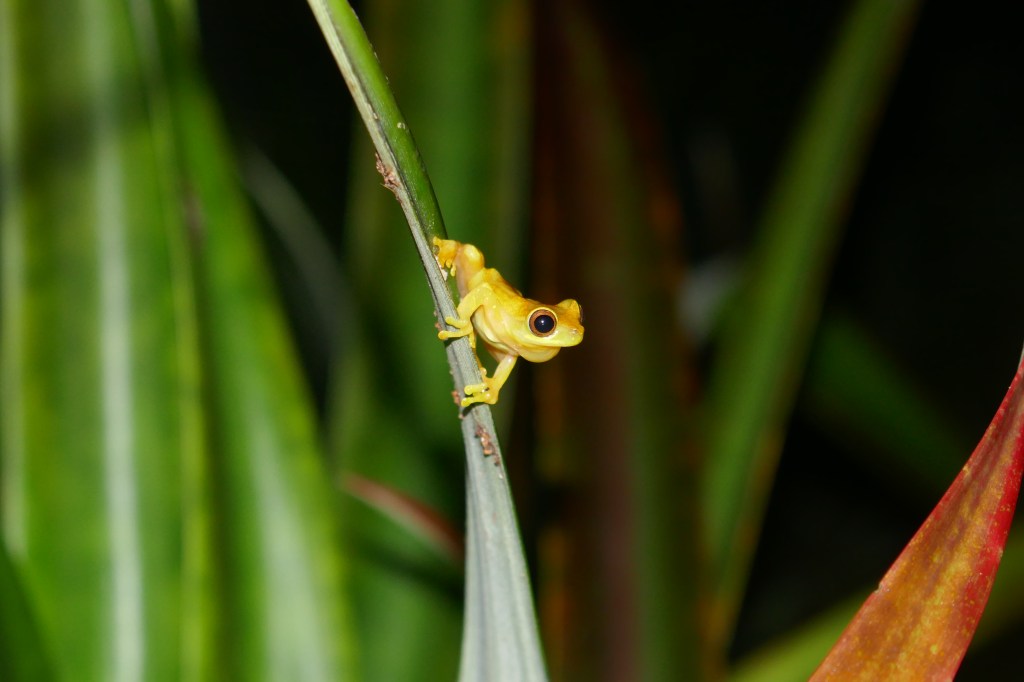
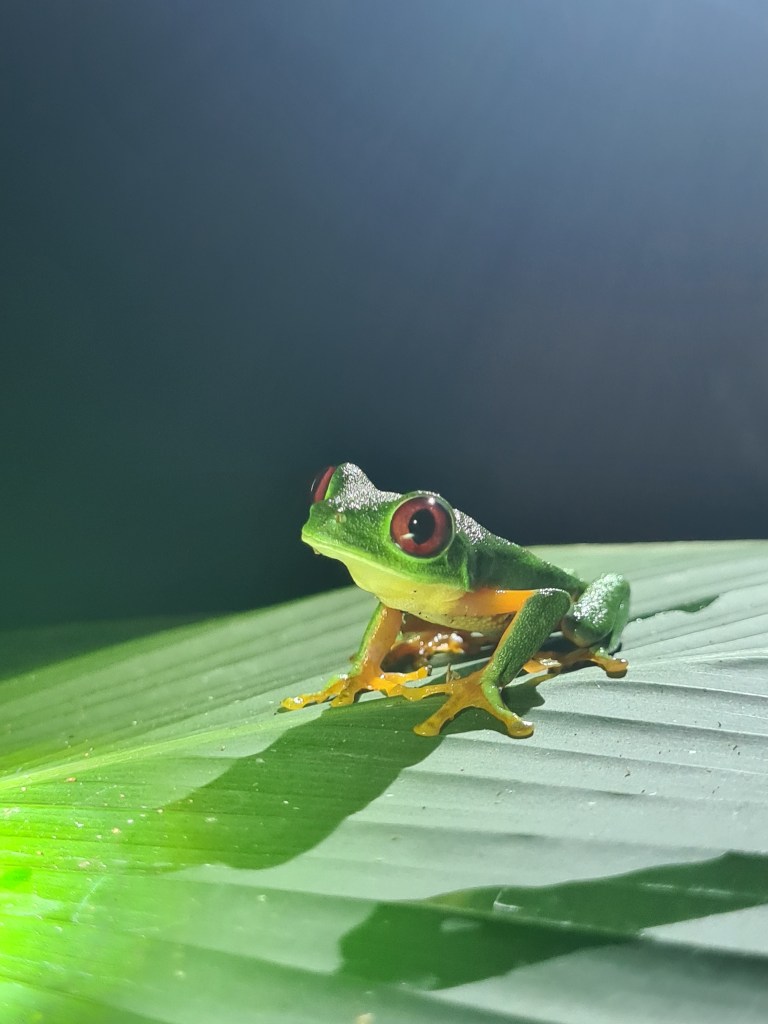

The country regularly ranks highly on worldwide indexes of happiness, human development, political and press freedom. It is home to one of the world’s five ‘blue zones’, areas where people are allegedly healthier than average, live much longer and where there is an unusually high number of centenarians.
Costa Ricans are happier, healthier, and living longer. How did the country get here?
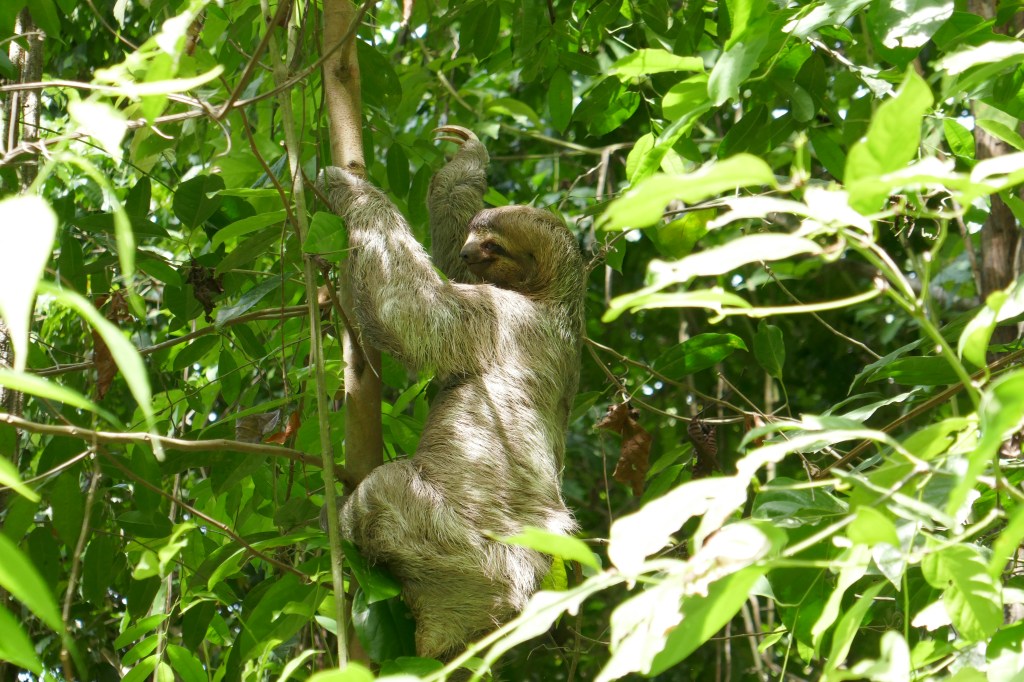
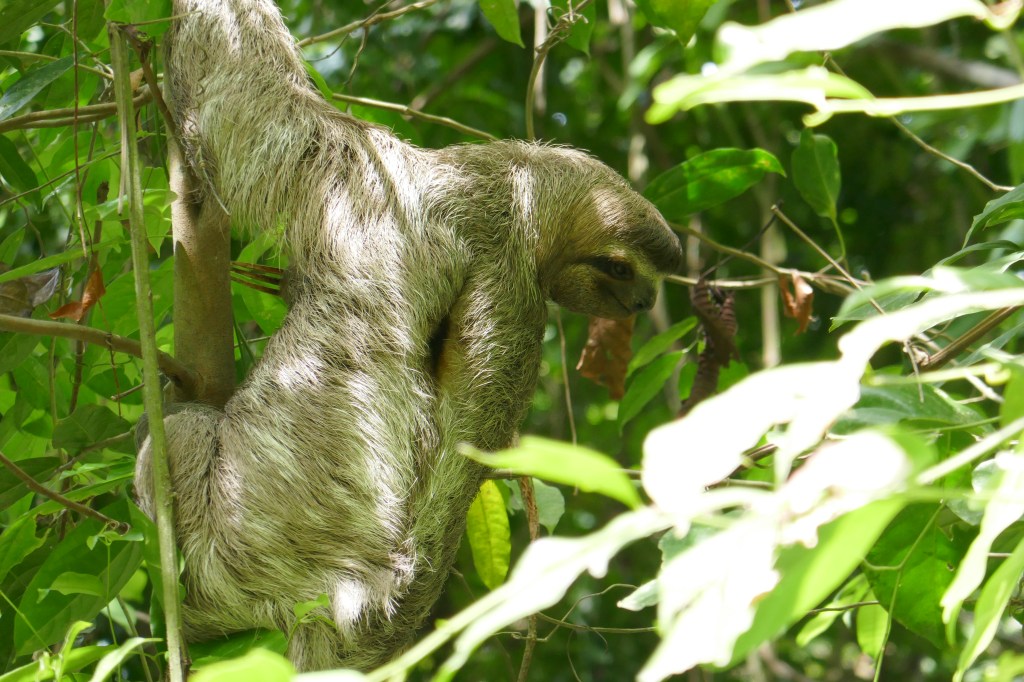
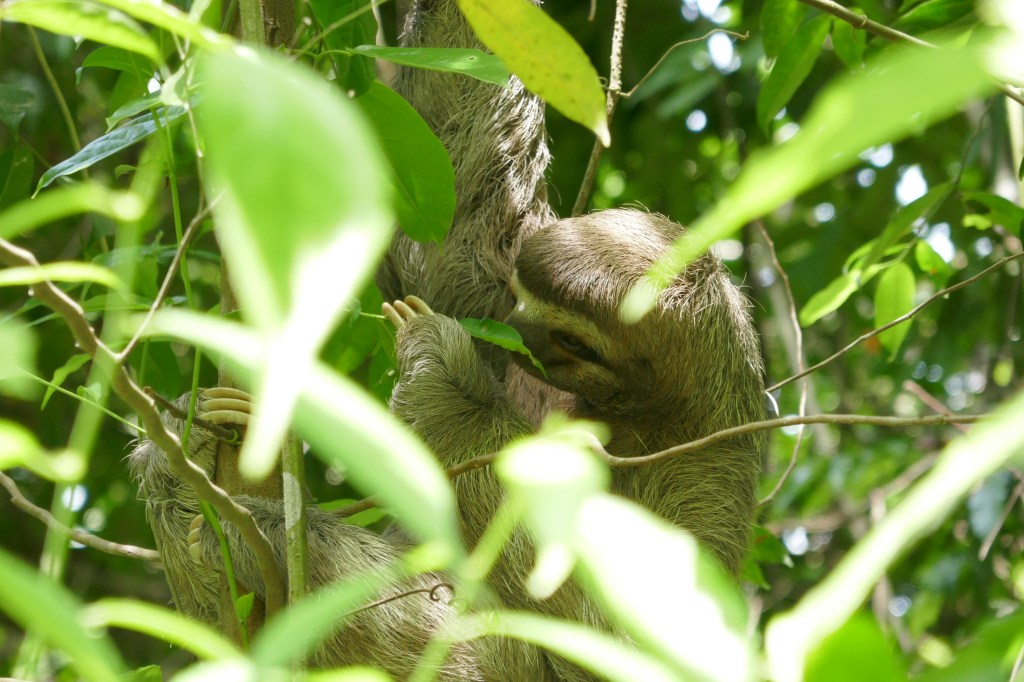
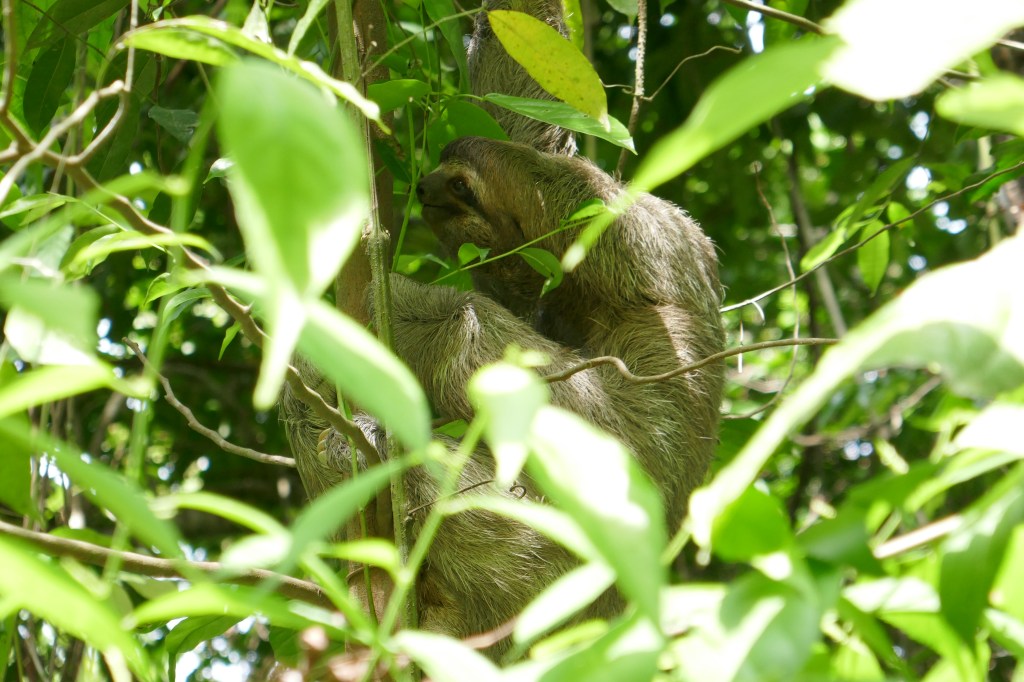
It began in the topsy-turvy world of 1940s Costa Rican politics, when a series of reforming governments put many of the policies in place that now set Costa Rica apart from its neighbours.
The first such government was led by a medical doctor, Rafael Angel Calderón Guardia, who served from 1940 to 1944. He represented the established centre-right party and was initially supported by rich oligarchs, but forged an unlikely alliance with the communist party, turned away from his powerful backers and enacted a national minimum wage, a national social security retirement program and a national healthcare regime.
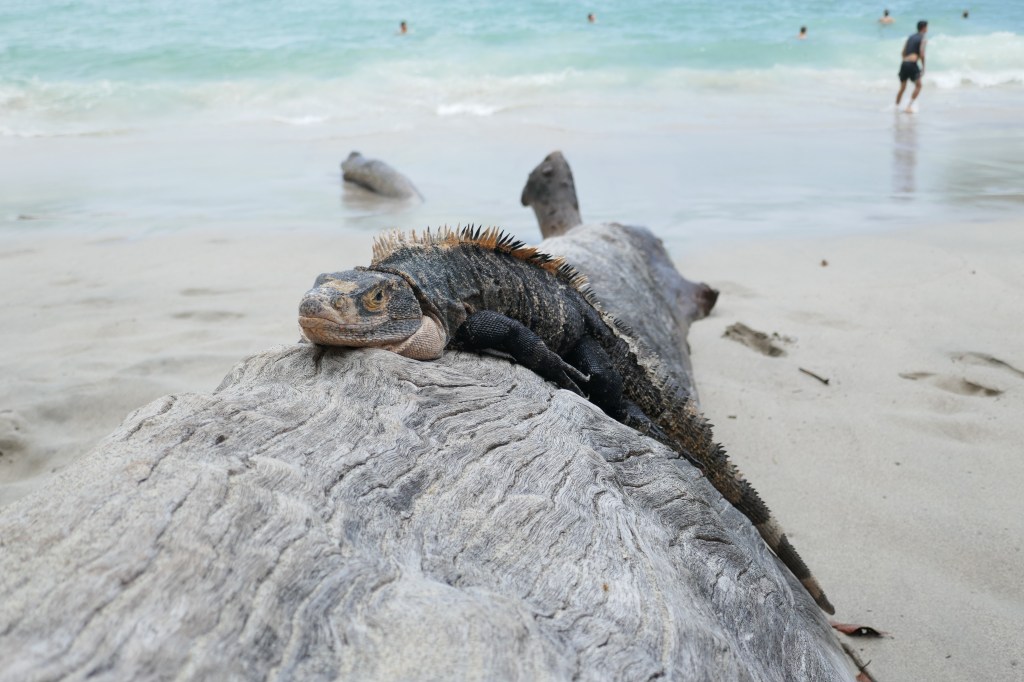

Calderón stepped back from rule from 1944 to 1948 after one term, as was constitutionally required, but remained active in the background and ran for office again in 1948 against Otilio Ulate Blanco. The result of the 1948 election was highly contentious and a 44-day civil war broke out in its wake, with a pro-Blanco armed uprising led by José Figueres Ferrer winning. Figueres Ferrer himself took power in the wake of the fighting. Despite seizing power by force, Figueres Ferrer disbanded the military and then relinquished power after just 18 months to Otilio Ulate Blanco.
The uprising he had led was a politically disparate group with no single ideology, but once in power Figueres Ferrer emerged as a social democrat who admired recent US President Roosevelt. During his 18 months, Figueres Ferrer awarded women and illiterate people the vote, guaranteed universal public education and gave citizenship to the children of black immigrants. Although he nationalised the banks, he also outlawed the communist party who had supported his rival Calderón. A period of political stability ensued and is ongoing to this day.
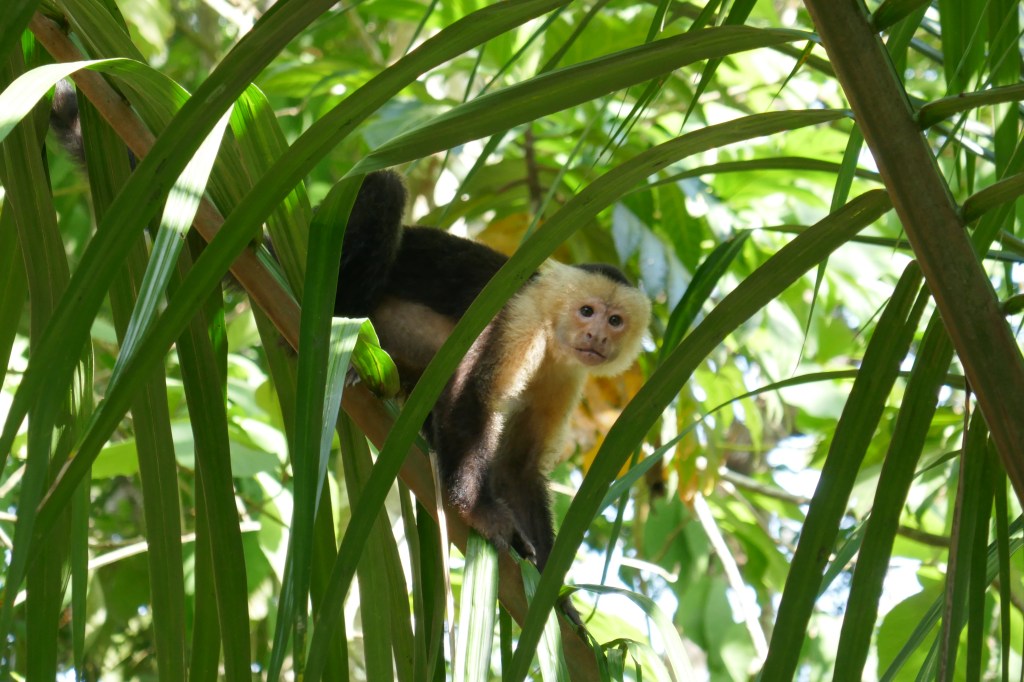

From the 1970s and 80s onwards the scale of Costa Rica’s vast deforestation became clear and the government began to put environmental protections in place. The forest rebounded, and today Costa Rica contains 5 per cent of the world’s biodiversity despite only representing 0.03 per cent Earth’s landmass. This makes it one of the most biologically diverse places on the planet. Ecotourism has flourished.
Costa Rica stands tall as an example of what a country can achieve, both for its population and its environment, if the right reforms and protections are put in place. The national catchphrase, ‘Pura vida’, literally translates to ‘pure life’. It is used as a greeting, a farewell, a response to ‘How are you?’ and any number of other situations. The phrase epitomises the country’s emphasis on simple good living, peace and well-being.
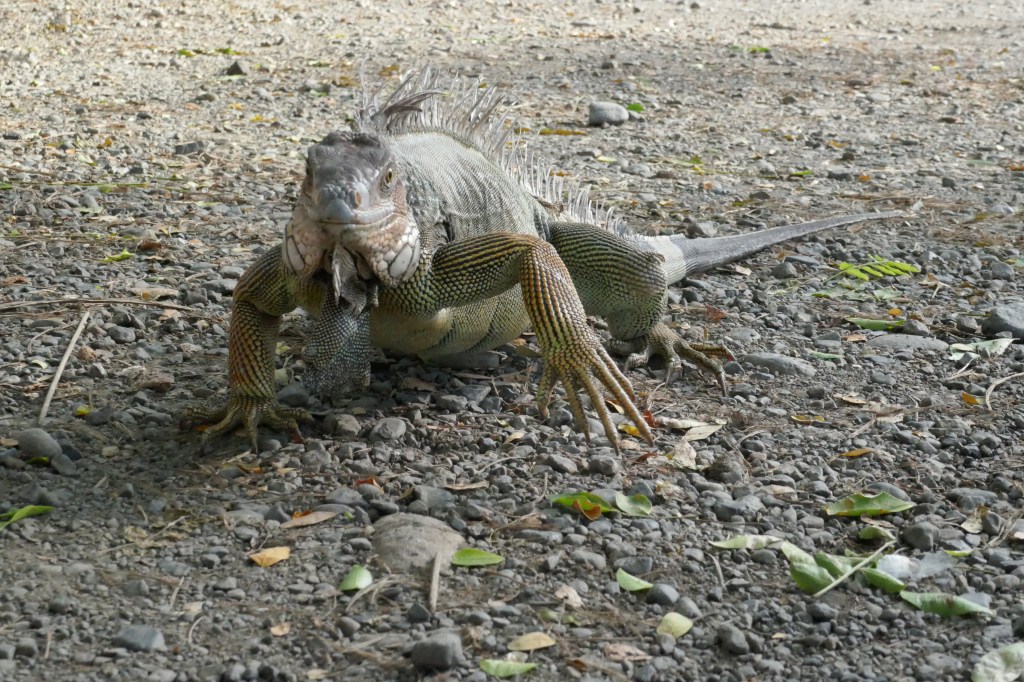
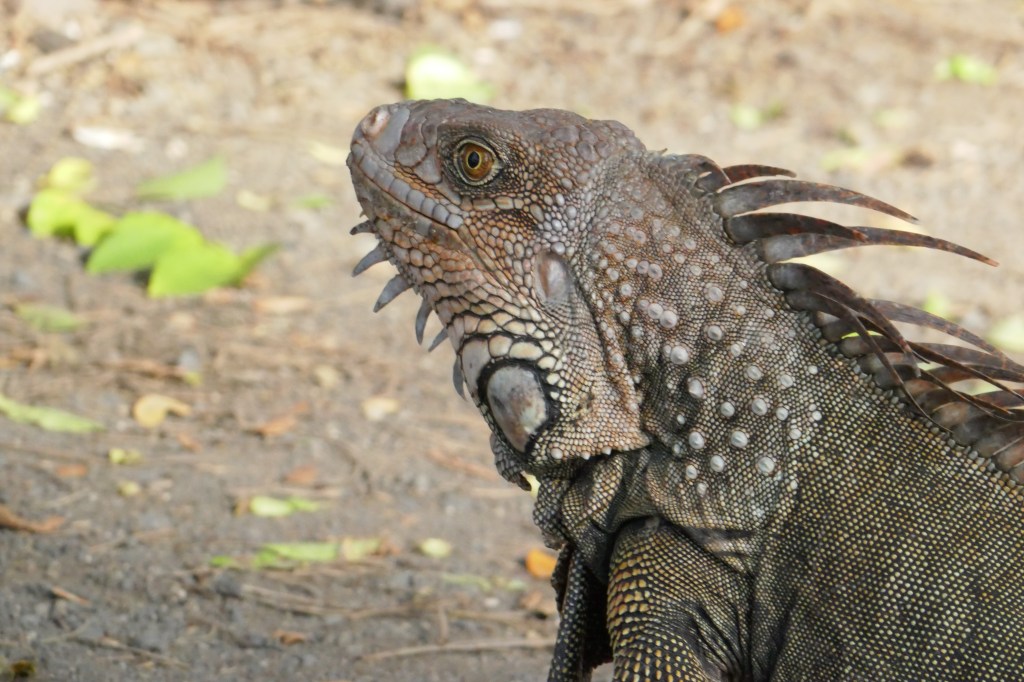
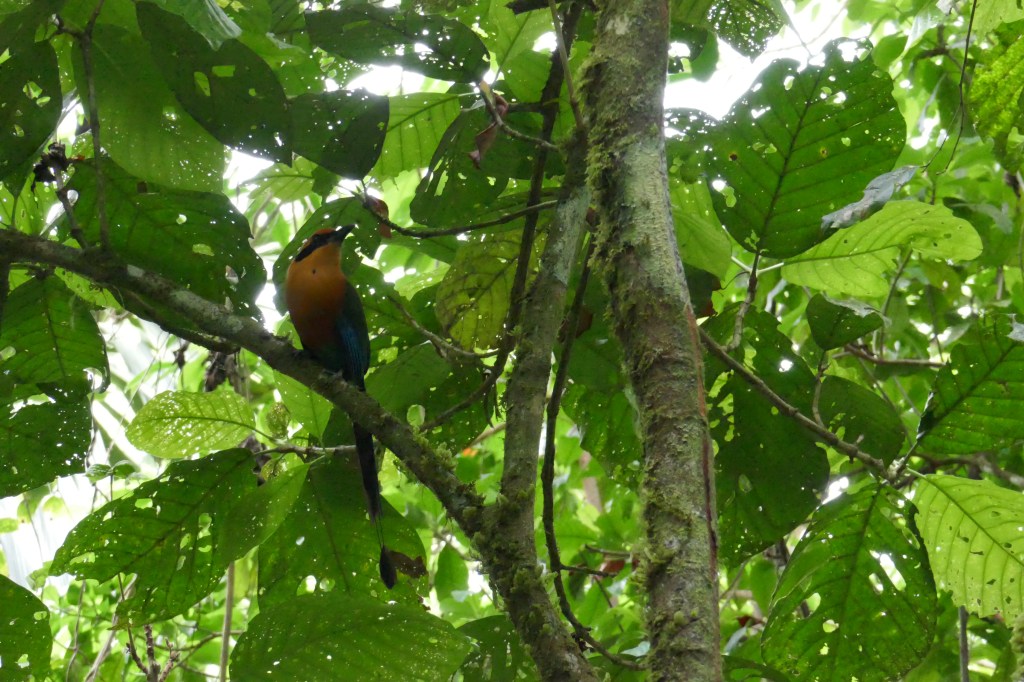
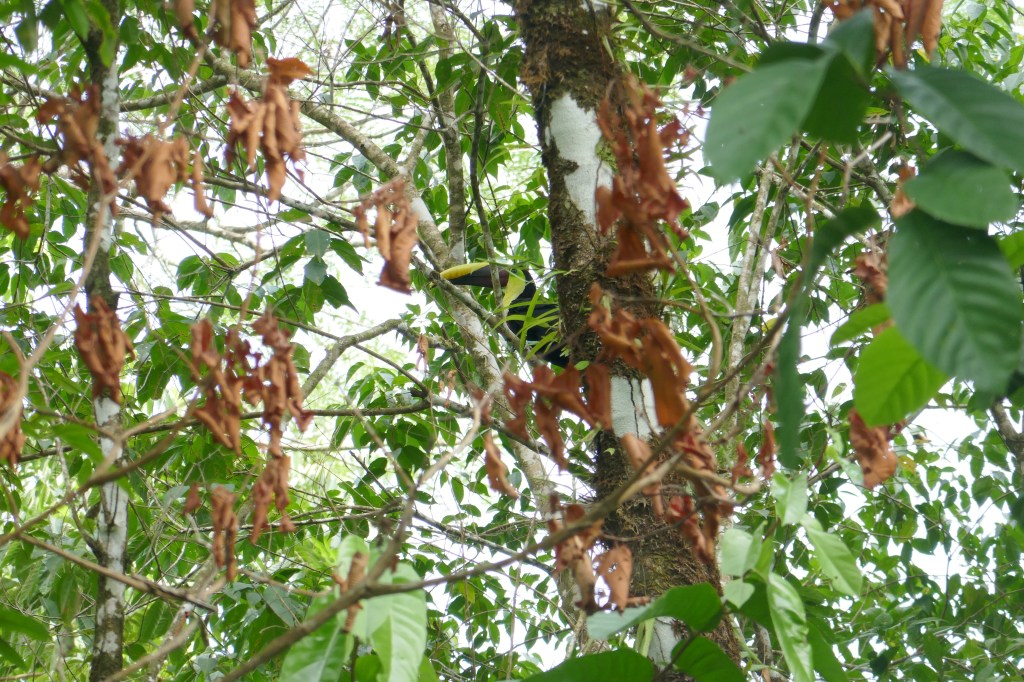
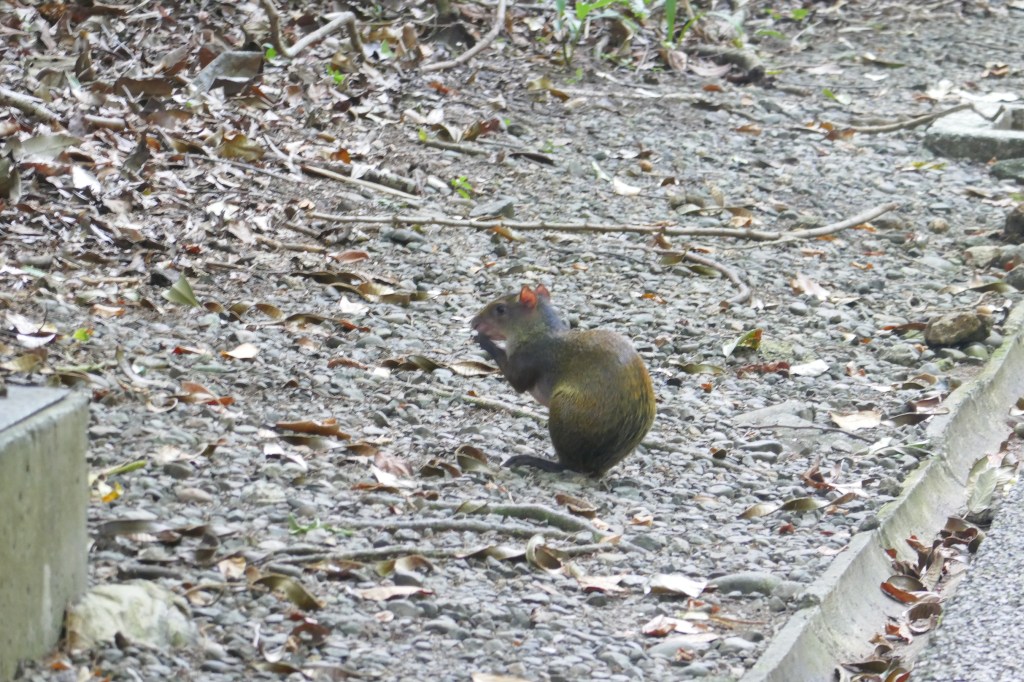
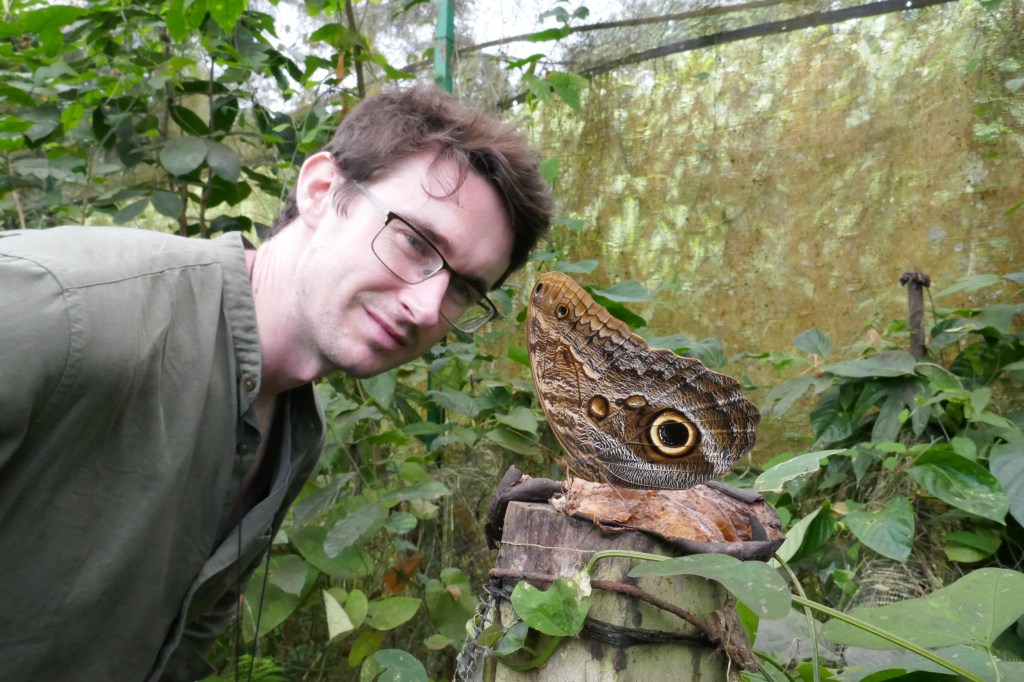
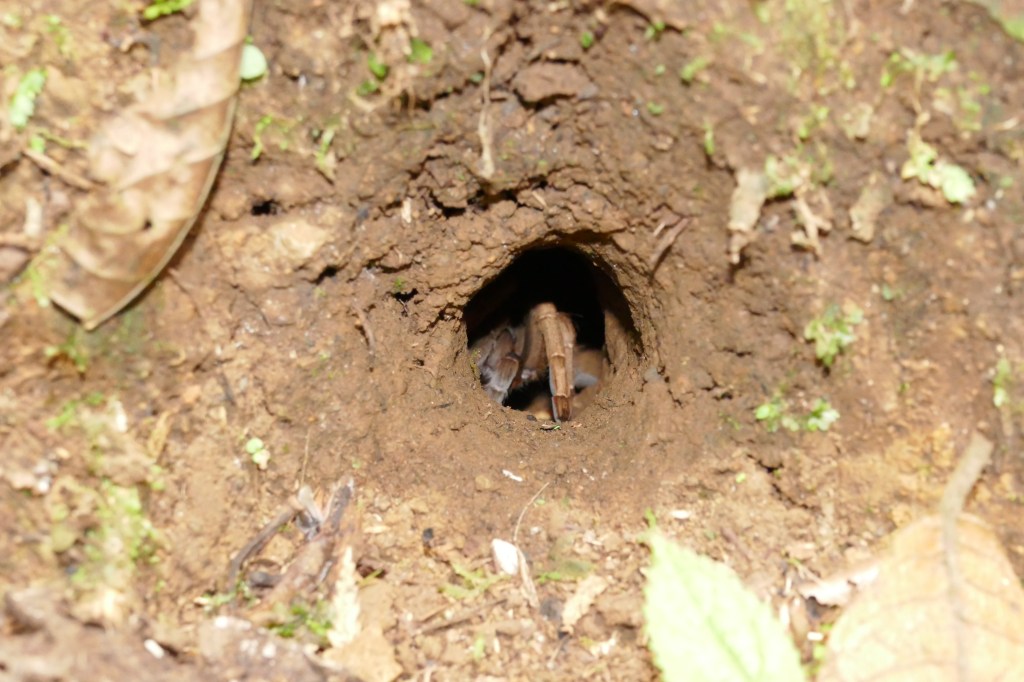
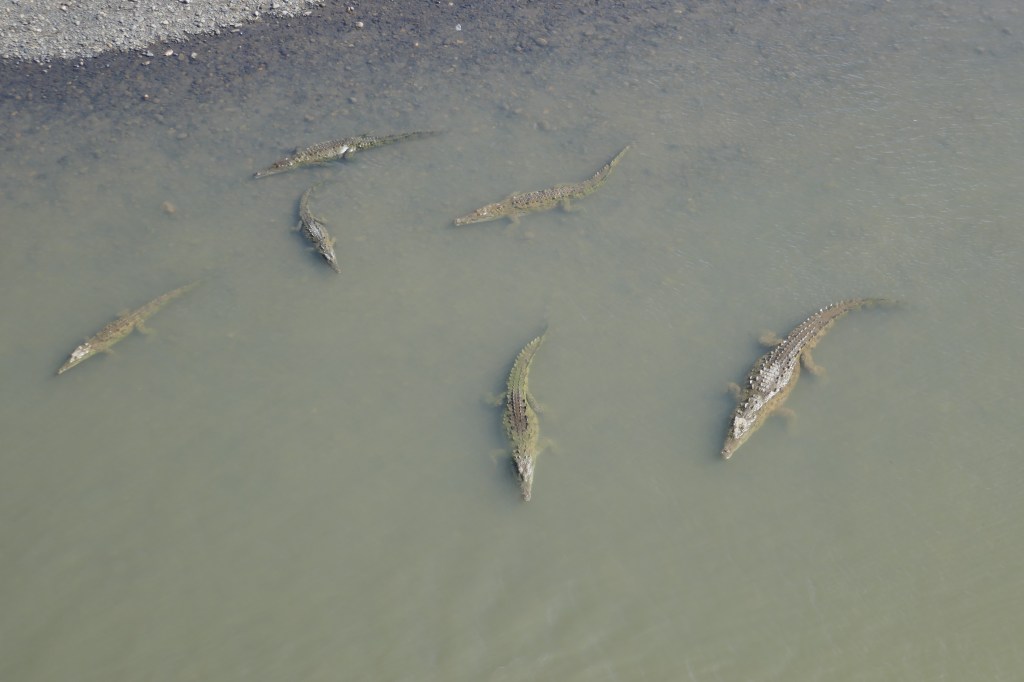
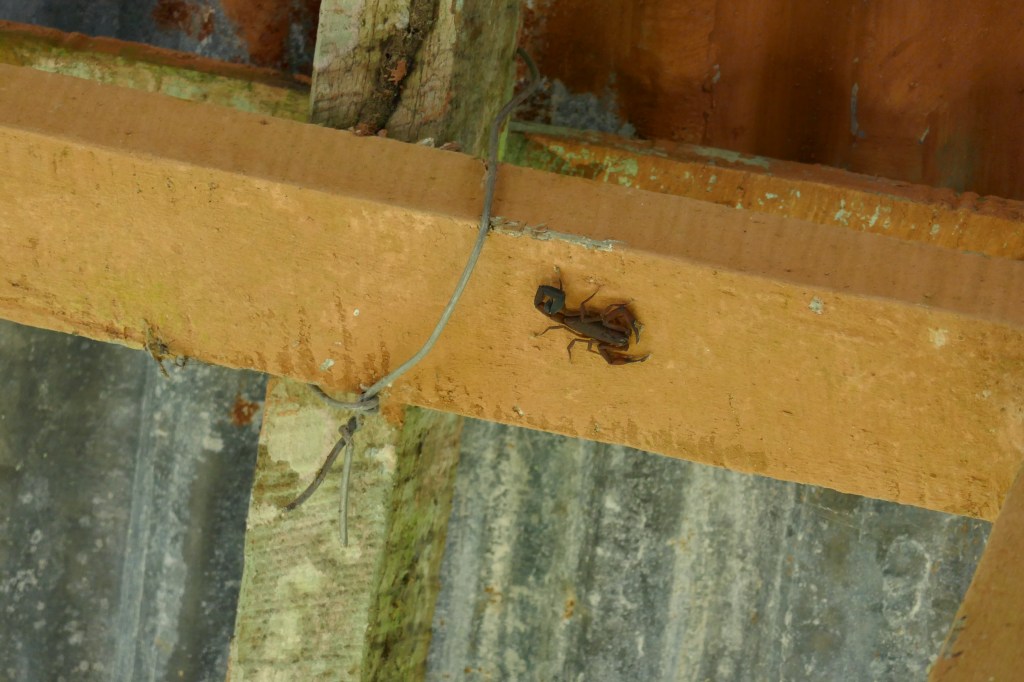
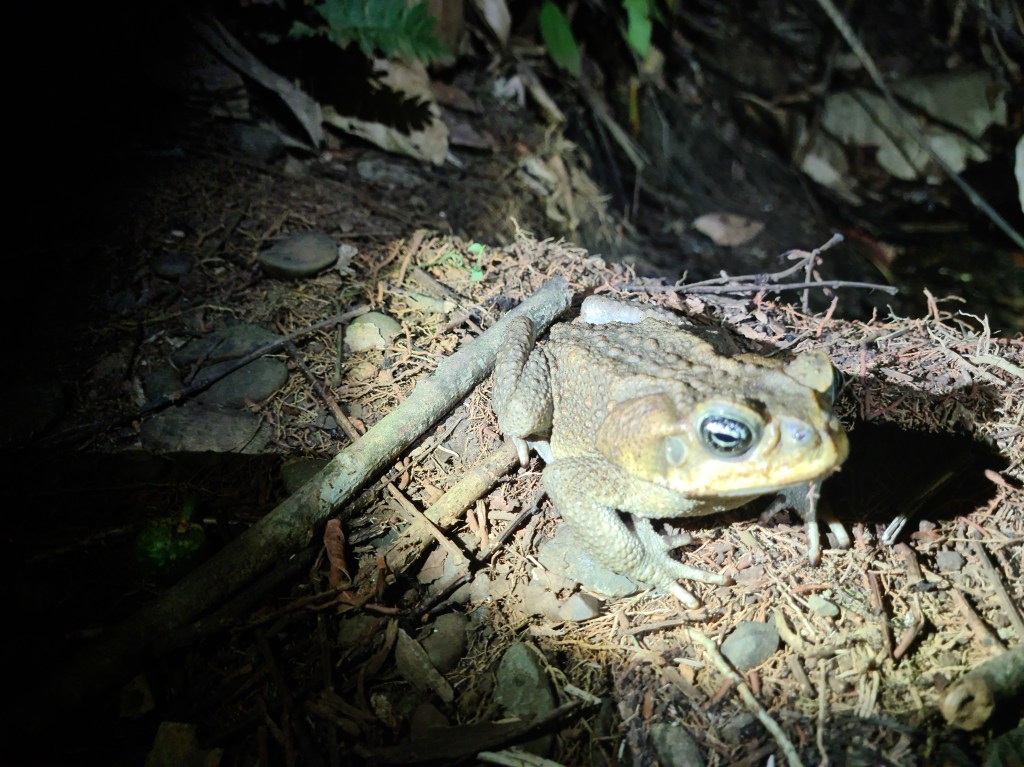
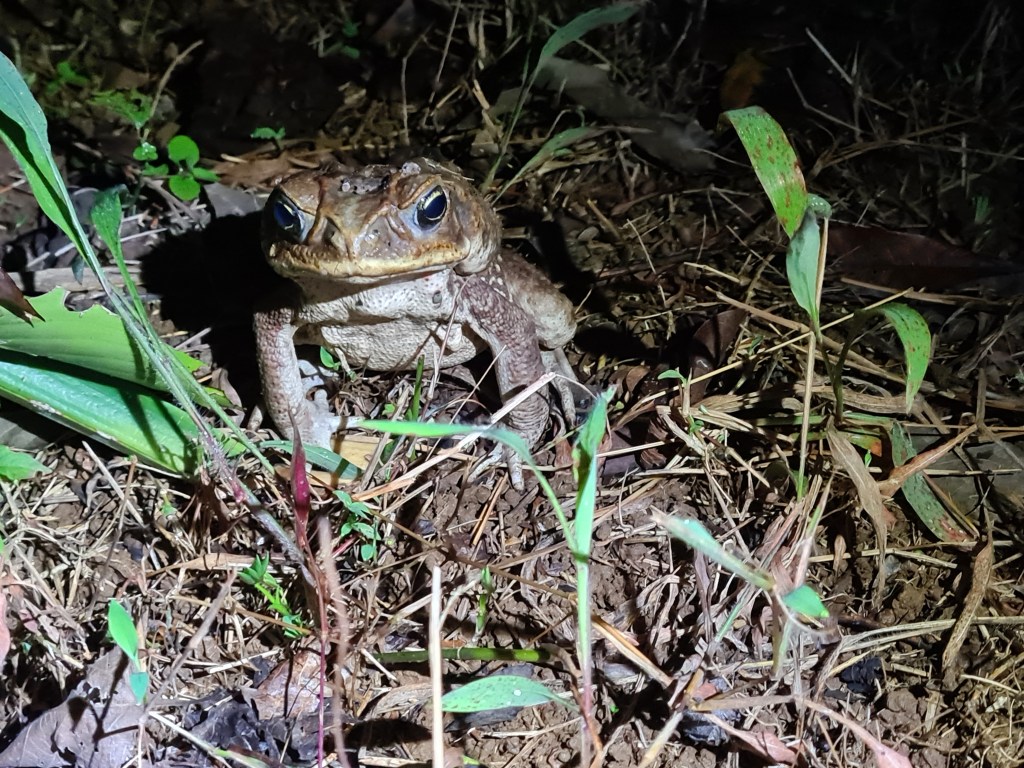
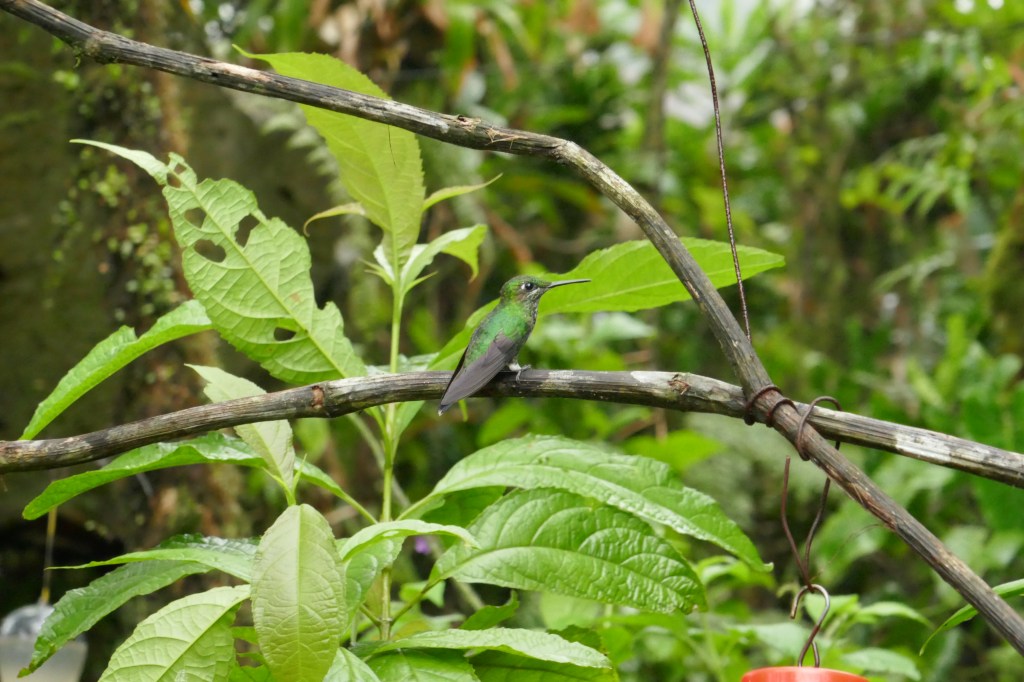
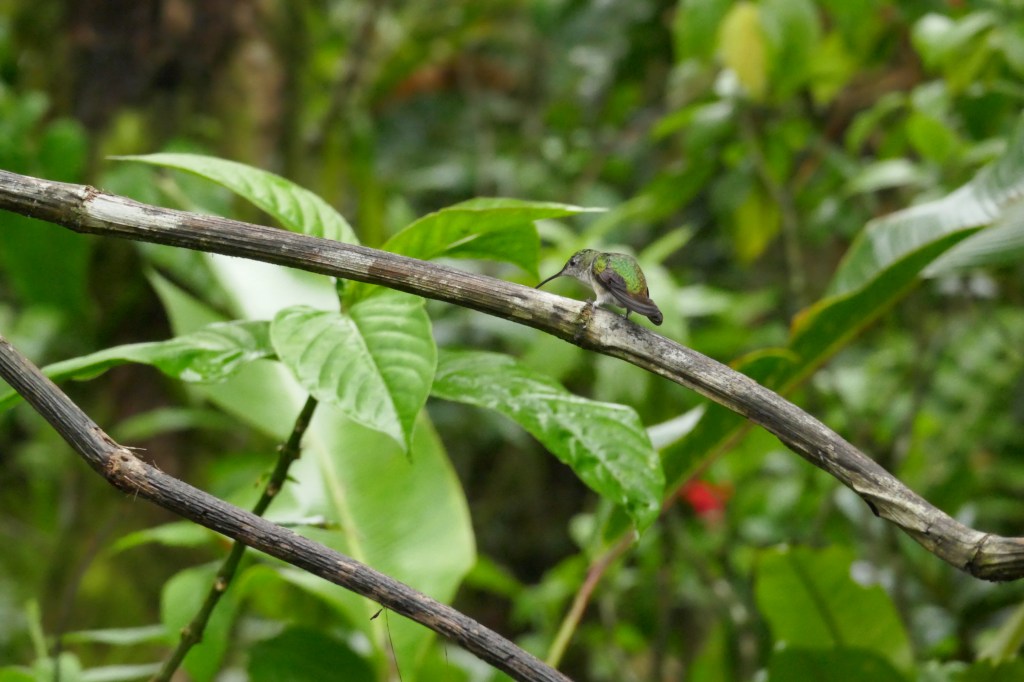
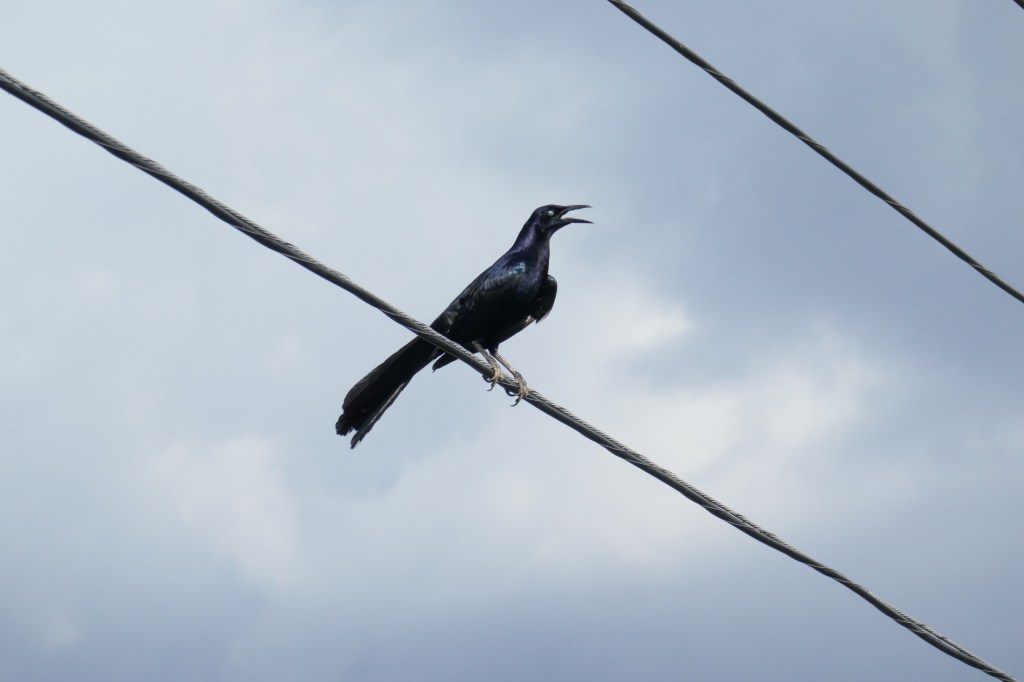
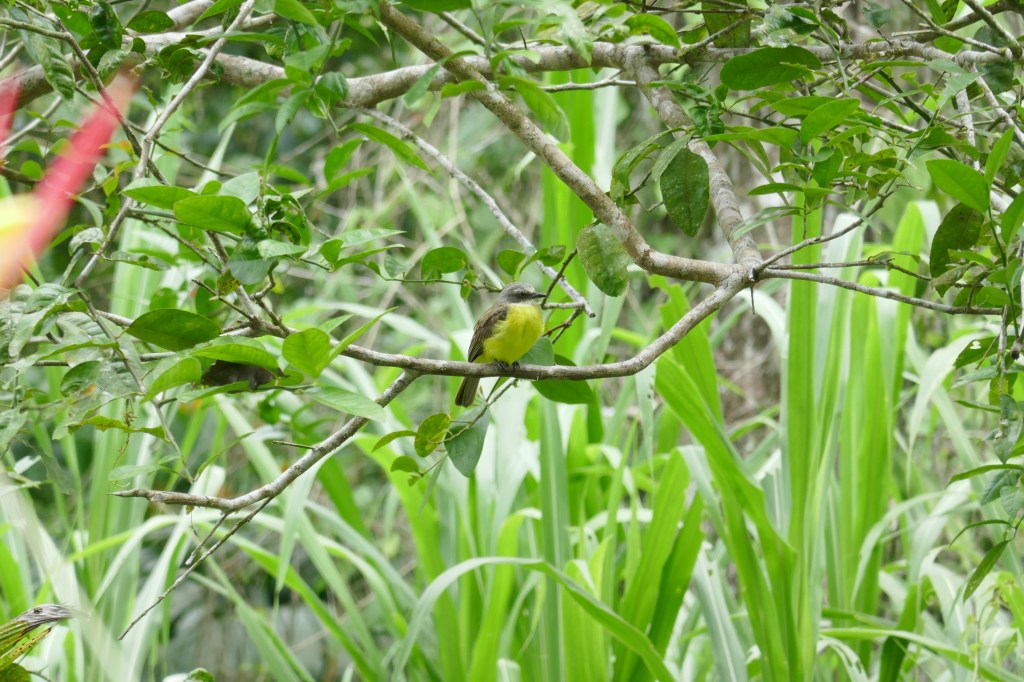
Hopefully the reader has enjoyed the pictures of Costa Rican wildlife so far. The rest of this article is purely photographs. Some were taken in national parks, but others were taken by the roadside or in the garden of hotels. The country is brimming with life. Pura vida!












 Somewhere Must Be Doing It Better
Leave a comment